


Tencent and other investors backed Naive AI, a secretive Chinese startup, at a $1.42B valuation after three funding rounds, building on an existing open-weight model rather than training from scratch.

ZAI stock is down over 2x from its peak despite record usage of its models, while Chinese equity markets are pricing in AI economics more realistically than US markets are.


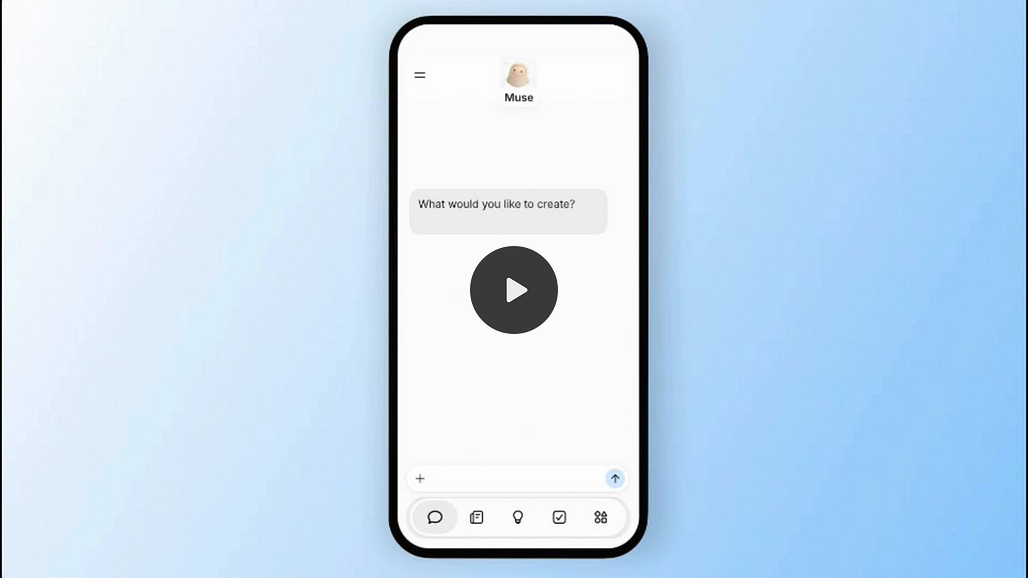
Motion launched Muse for motion design, which researches a given website and writes launch video prompts that Motion then turns into a video.

StepFun released Step 5 Preview, a 600B total/27B active parameter MoE model with 1M context, vision capabilities, and strong coding and finance performance, now live in StepFun AI Studio and via API.


A new usage reset is coming for Codex and ChatGPT Work users, alongside a confirmed major product ship on Tuesday.

Meta launched Muse Connectors, letting developers submit their own integrations (Notion and Granola already live), partnered with Stripe to enable in-assistant payments, and expanded Muse availability to Canada.


A working group from Anthropic, OpenAI and Google is exploring shared AI safety standards, signaling closer coordination between the labs.
Apple is reportedly considering a return to server hardware, targeting companies and governments that want to run AI models on-premise instead of public clouds.
Alibaba’s Qwen released Qwen3.8-LiveTranslate, a real-time interpretation model that cuts average lagging from 2.8s to 2.3s across 60 languages, adding speaker diarization, voice cloning, and synchronized bilingual display.


Typesafe’s Jev is now open to all users with no waitlist, giving each new user $5 in credit (about 120 million tokens).
